Cessna 172RG Rear RH Baffle Assembly
Cessna 172RG Rear RH Baffle Assembly
Blog Article
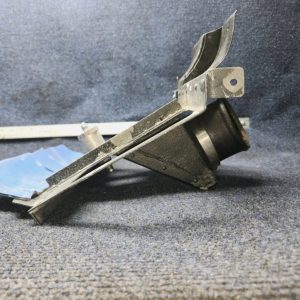
The Cessna 172RG Rear RH Baffle Assembly
The Cessna 172RG Rear Right-Hand Baffle and Cessna 172RG Engine Baffle terms describe related engine-compartment structures, while the exact Cessna 172RG Cooling Baffle should remain identified by P/N 2455038-2.
The Cessna Cutlass Engine Baffle, Cessna 172RG Baffle Assembly, Rear RH Engine Baffle, and Aircraft Engine Baffle Assembly describe related cooling-air components located within the engine compartment.
An Aircraft Cooling Air Baffle may also be marketed as a Cessna 172RG Airflow Baffle when its exact location, orientation, and part number are stated accurately.
Whether marketed as an Engine Cooling Baffle Assembly, Cessna Cutlass Cooling System Part, or Cessna 172RG Replacement Baffle, the component should receive individual inspection.
Why Exact Baffle Part Numbers Matter
Complete part-number verification reduces incorrect purchasing and unnecessary installation work.
The right-hand orientation and rear engine-compartment location should be verified before shipment or installation.
Purpose of the Rear RH Engine Baffle
System-level inspection supports more effective engine-compartment maintenance.
Cooling performance depends on proper pressure differences, sealed boundaries, suitable airflow paths, and accurate baffle positioning.
Cessna 172RG and Cutlass Compatibility
Compatibility should be established through the exact aircraft model, serial number, engine installation, part number, baffle position, and applicable maintenance or parts information.
Mounting holes should not be enlarged or relocated casually to force alignment.
Understanding Formed Aluminum Cooling Panels
A visually similar sheet-metal component should not be substituted using unverified material or dimensions.
Professional handling protects the value of the Cessna Aircraft Engine Baffle.
Inspecting the Cessna 172RG Cooling Baffle
A detailed inspection provides stronger evidence than a general good-condition description.
Unusual waviness or twisted geometry should be measured rather than dismissed as cosmetic.
Baffle Seal Condition and Air Leakage
The offered assembly should identify whether seal website material, retainers, rivets, or mounting hardware are included.
Careful seal fitting supports more consistent cooling-air control.
Corrosion Inspection and Prevention
Professional corrosion treatment helps preserve the remaining baffle within acceptable limits.
The cause of contamination should be corrected before a replacement baffle is installed.
Inspecting Rear Baffle Attachment Points
Detailed attachment-point inspection supports accurate repair planning.
Correct attachment practices support secure and maintainable baffle installation.
Planning a Complete Baffle Repair
A missing bracket, damaged seal, or distorted neighboring panel can delay installation even when the primary baffle is available.
Damage can vary across components exposed to the same vibration, heat, accident, or storage environment.
Inspecting the Complete Cooling System
Complete troubleshooting helps prevent unnecessary replacement and repeated maintenance.
The condition of cylinder fins, oil cooler airflow, hoses, ignition timing, induction, exhaust, and other engine systems may also influence operating temperatures.
Rear RH Baffle Replacement Versus Repair
Repair should not be selected only because it appears less expensive initially.
Patches or replacement brackets should not create interference with the engine, cowling, controls, wiring, hoses, or exhaust system.
Evaluating a Used Aircraft Cooling Baffle
Honest listings reduce disputes and strengthen buyer confidence.
Accurate commercial information supports responsible Cessna 172RG Replacement Baffle transactions.
Cessna 172RG Baffle Buying Checklist
The seller should provide photographs showing both sides, flanges, holes, brackets, contours, edges, markings, corrosion areas, seals, and repairs.
- Compare the baffle with applicable parts information, the removed component, surrounding panels, mounting locations, dimensions, brackets, seals, and cowling clearances.
- Confirm whether the component came from an accident aircraft, overheated engine compartment, corroded airframe, dismantled project, or controlled removal.
- Retain purchase records, photographs, measurements, traceability information, inspection findings, repair data, and shipping documents with the project file.
Shipping and Storing the Rear RH Baffle
The baffle should be packaged with rigid support that protects thin sheet metal, formed flanges, brackets, mounting tabs, edges, seal retainers, and identification markings.
Responsible storage preserves the future usability and commercial value of the Cessna 172RG Airflow Baffle.
Professional Engine Baffle Installation
Installation should be completed by appropriately qualified aviation maintenance personnel using applicable aircraft, engine, parts, and maintenance information.
Correct workmanship supports a secure and effective cooling-air boundary.
P/N 2455038-2.
Maintaining the Cessna 172RG Cooling System
Small cracks, loose fasteners, failed seals, and finish damage should be evaluated promptly.
Recurring cracks or loose attachments should prompt investigation of vibration, alignment, and supporting hardware.
Buying a Rear Right-Hand Engine Baffle
The Cessna 172RG Rear RH Baffle Assembly
Buyers should request current photographs, accurate measurements, transparent condition information, protective shipping, secure transaction terms, and qualified maintenance review.
Whether the requirement is a Cessna 172RG Rear Right-Hand Baffle, Cessna 172RG Engine Baffle, Cessna 172RG Cooling Baffle, or Cessna Cutlass Engine Baffle, exact identification should guide the purchase.
P/N 2455038-2 can deliver a professional combination of replacement value, cooling-system relevance, engine-compartment protection, and Cutlass application potential.
Report this page